
Marine Mammal Observer and Passive Acoustic Monitoring Handbook Second edition
The industry standard for reducing industrial and defence impacts on marine megafauna, fully revised a decade on from the original.
- 562 pages
- Ten chapters
- Paperback £65
- OSC Publishing House®, 2026
About the Handbook
Drawing on more than three decades of offshore expertise from Ocean Science Consulting (opens in a new tab)’s founders, the Handbook covers every aspect of anthropogenic noise-generating operations, from seismic and drilling to windfarm piling, dredging, civil engineering, and hydrographic surveys.
It is the perfect accompaniment to Marine Mammal Observer (MMO) (opens in a new tab), Protected Species Observer (PSO) (opens in a new tab), Marine Fauna Observer (MFO), and Passive Acoustic Monitoring (PAM) (opens in a new tab) training courses (opens in a new tab), and a working reference for everyone already in the field.
Accessible to all stakeholders, it remains the definitive resource for MMOs, PAM Operators (PAMOs), and training organisations worldwide. It is the first title from OSC Publishing House®, an imprint of Ocean Science Consulting Ltd.
‘An indispensable “how to” guide to the growing and increasingly important occupation of marine mammal monitoring, written with clarity and humour by scientists who have extensive experience in this field.’
Dr. Phillip J. Clapham
‘A useful and timely publication… making this the current “bible” for the industry.’
J. R. Gibbens, Marine Mammal Science
New in the second edition
The first edition became an industry benchmark, adopted by practitioners, regulators, and researchers. This edition builds on it with the latest science and a decade of practical insight from the field.

- Mitigation in guideline ‘grey areas’ and unusual scenarios
- Deep-sea mining and floating offshore windfarms as noise sources
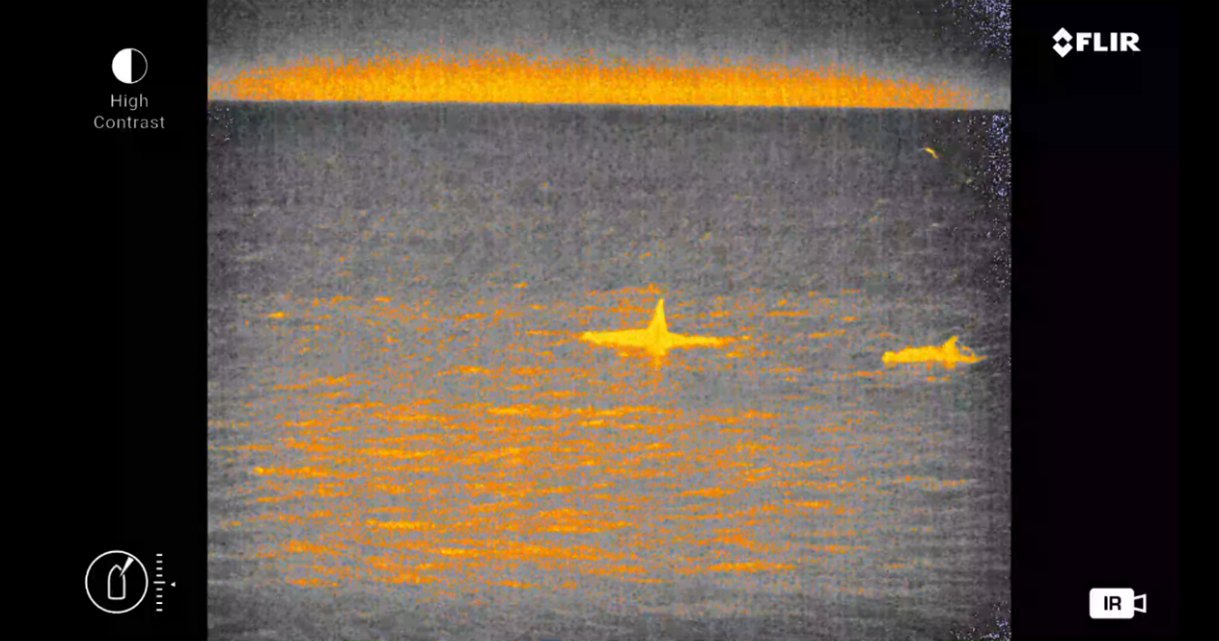
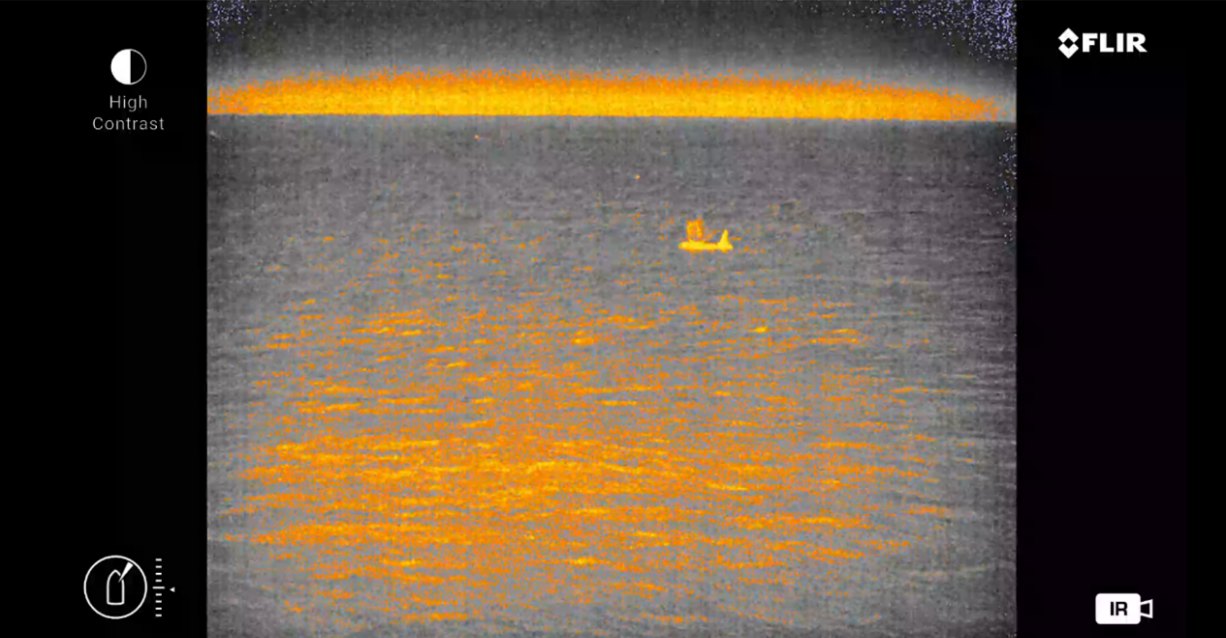
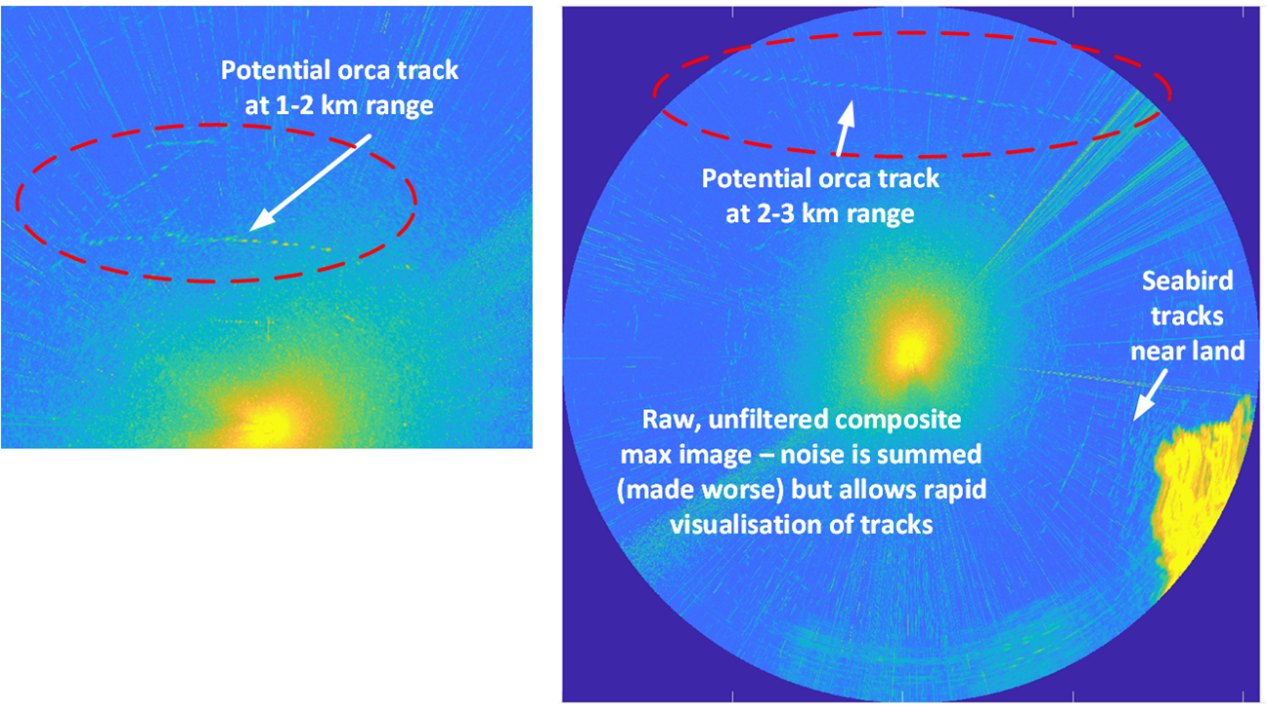
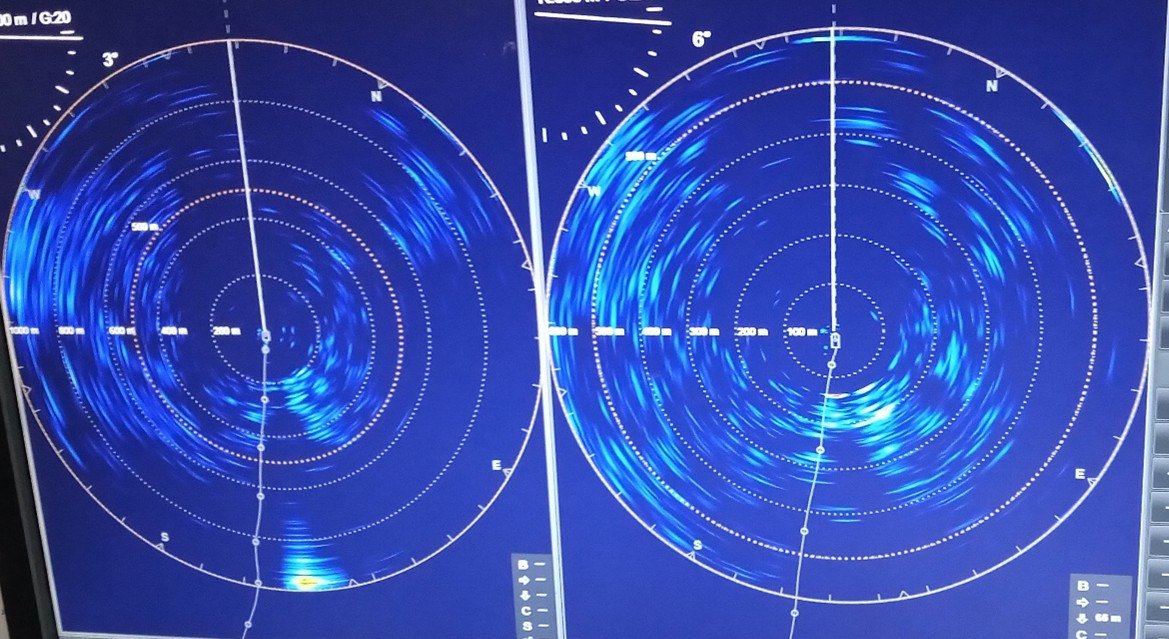
- Low-visibility monitoring with infrared, RADAR, and SONAR, including new results from field trials for the Sound and Marine Life Joint Industry Programme (opens in a new tab)
- Drones and other autonomous marine mammal detection methods
- Marine reptiles
- Lessons from COVID-19 for offshore working
- Renewed international best practice, with a global table of MMO and PAM guidelines
From the second edition
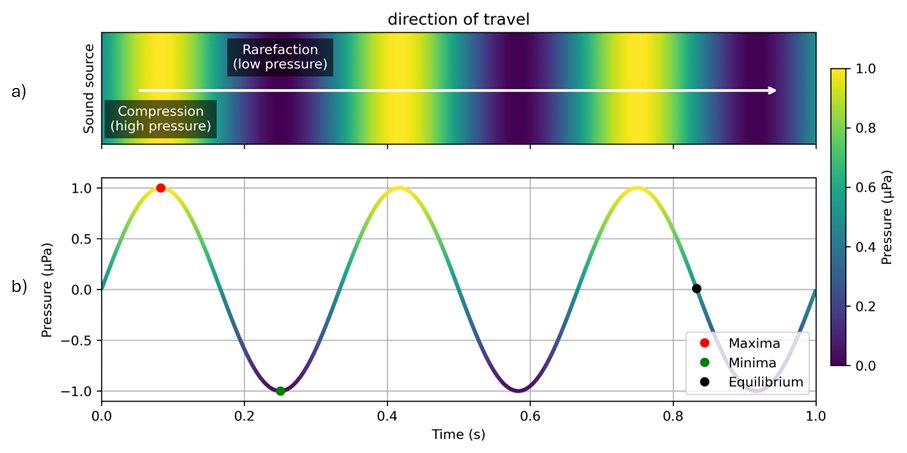
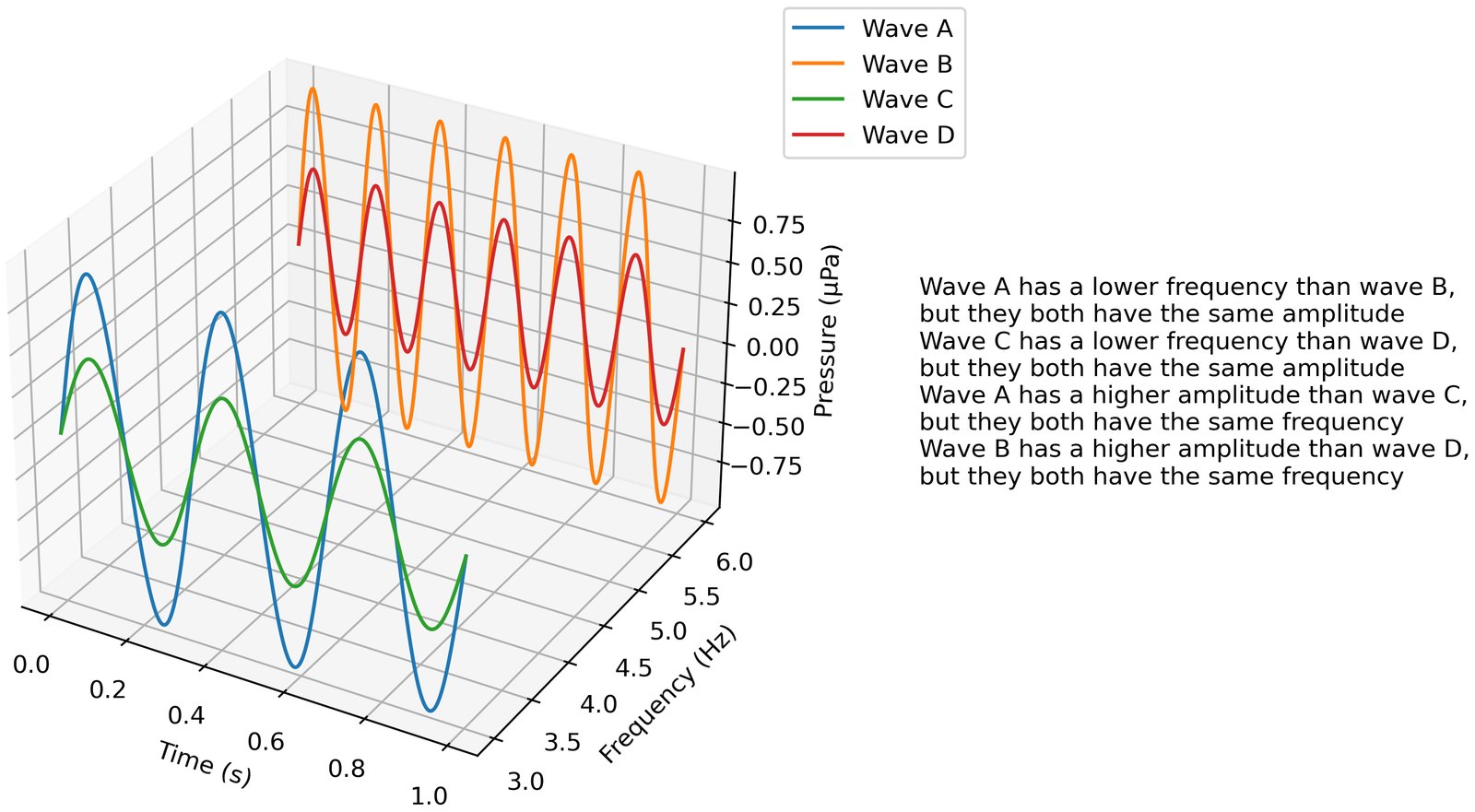
A selection of new figures, including infrared and RADAR detections of orcas from low-visibility monitoring trials.
Who it is for
Anyone involved in marine mammal mitigation, whatever their training or experience. Complex subjects such as acoustics are explained in plain text with minimal equations, and further reading is suggested throughout.
Observers
Trainee and working MMOs, PSOs, MFOs, PAMOs, and fisheries observers. See OSC’s courses (opens in a new tab).
New entrants
Graduates and school leavers with no prior scientific, MMO, or PAM experience.
Trainers and consultancies
Course providers, and the consultancies and agencies that supply MMO and PAM services.
Equipment makers
PAM equipment manufacturers, suppliers, owners, and distributors, including OSC’s own PAM systems (opens in a new tab).
Clients and contractors
Health, safety, and environmental managers, party chiefs, vessel masters, and offshore installation managers.
Regulators and charities
Government conservation bodies in the UK, USA, New Zealand, and beyond, and whale, dolphin, and porpoise charities.
Science and media
Scientists, research assistants, universities, television, press, and radio.
On the water
Wildlife-watching operators and commercial charter vessel operators, and the Seabird Observer course (opens in a new tab).
Ten chapters, one working reference
Each chapter opens with a summary, and the reference tables cover species distribution, hearing ranges, vocalisations, MMO and PAM guidelines by country, protective equipment and survival training by jurisdiction, and daily and weekly reporting activities.
Download the full contents, foreword, and preface (PDF, 4.6 MB)
- IntroductionMarine mammal species and global distribution, hearing, and the effects of anthropogenic noise
- Mitigation measuresLegislation, Marine Protected Areas, project planning, operational controls, and real-time monitoring
- Sources of anthropogenic noiseShipping, windfarms, dredging, drilling, seismic, pile driving, SONAR, explosions, and deep-sea mining
- TrainingBecoming a certified MMO or PAMO, courses worldwide, offshore survival, and medicals
- Offshore lifeContracts, mobilisation, conduct, safety, and working on vessels and installations
- MMO theory and practiceEquipment, conducting a watch, identification, range and bearing estimation, and low-visibility techniques
- PAM theoryThe physics of underwater sound, from frequency and amplitude to the SONAR equation
- VocalisationsSound types, functions, and species identification for whales, dolphins, porpoises, seals, sea lions, and walruses
- PAM practiceEquipment, configuration, PAMGuard (opens in a new tab), deployment, monitoring, troubleshooting, and demobilisation
- Report writingStructure, content, and formatting for MMO and PAM reports
The authors
Dr. Victoria Todd and Ian Todd are the co-founders and Managing Directors of Ocean Science Consulting Ltd. (opens in a new tab), an independent marine science company headquartered in Dunbar, Scotland, with operations across the UK, Greece, and New Zealand. Together they wrote the original Handbook.

Get the book
£65 paperback, 562 pages
Now available on AmazonIn the UK, the paperback can be ordered directly from OSC. Outside the UK, it is available from Amazon. An eBook edition and a paperback and eBook bundle will follow.
For enquiries about the Handbook, or to contribute data, sightings, research, or other material to a future edition, email mmoandpamhandbook@osc.co.uk.
Order from OSC (UK) (opens in a new tab) Buy on Amazon (opens in a new tab) Look inside (PDF)